Spring Vegetable Stir Fry
Highlighted under: Simple Healthy Dishes
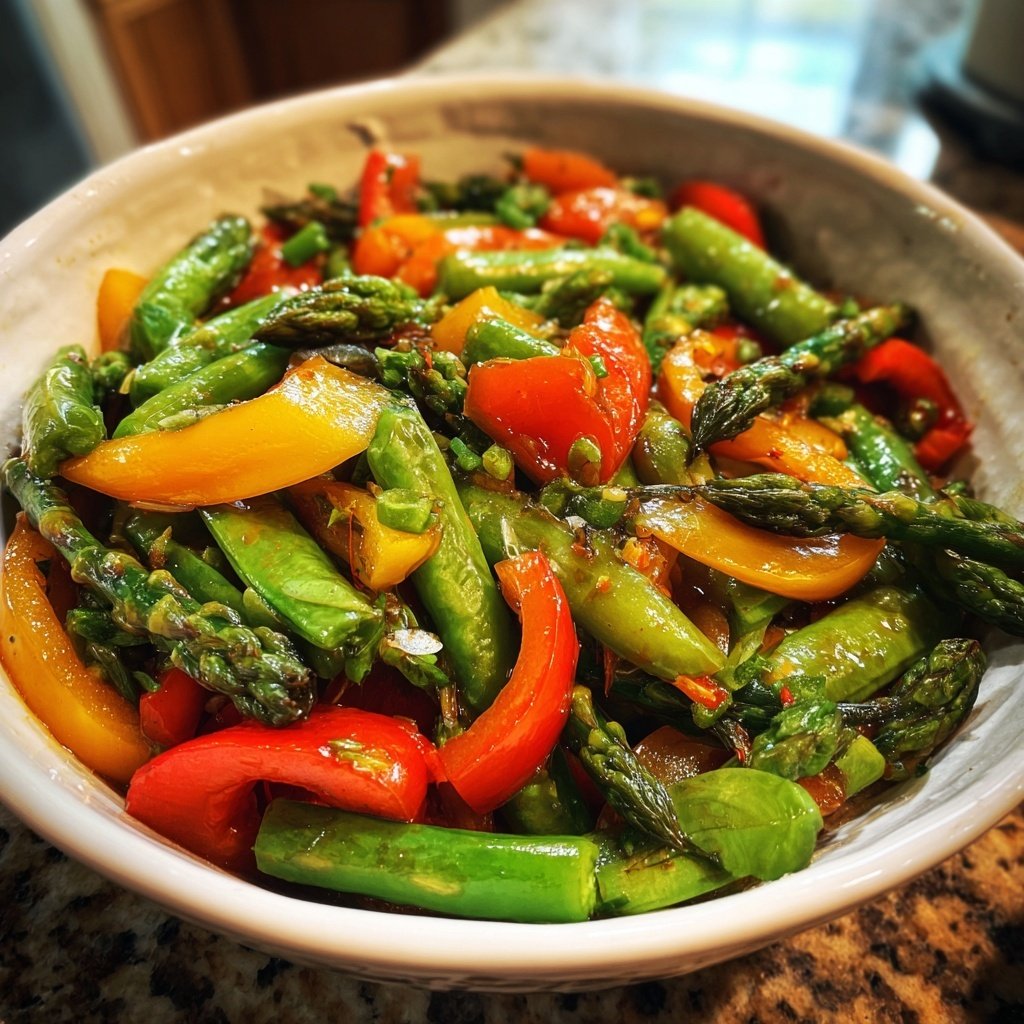
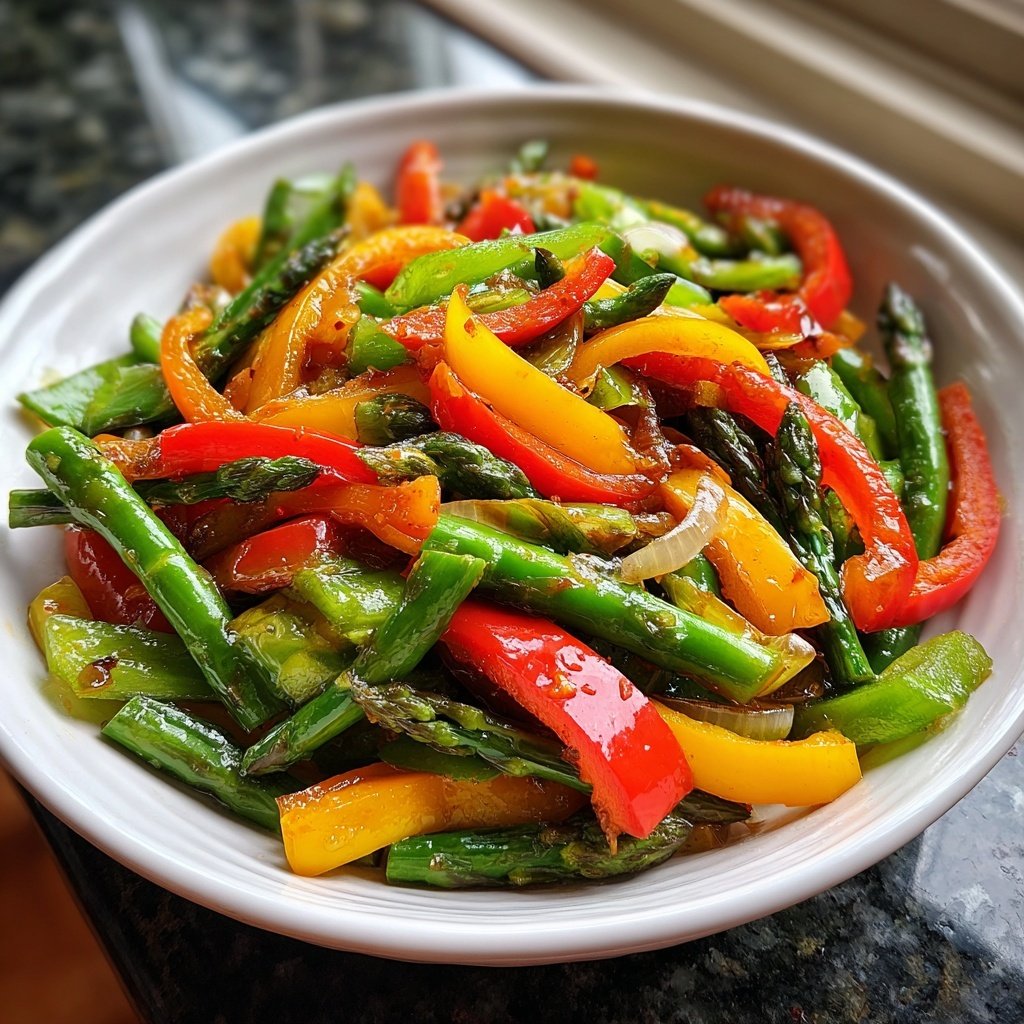
I adore the vibrant colors and fresh flavors that come together in this Spring Vegetable Stir Fry. Preparing this dish is not only quick, but it's also a delightful way to celebrate the bounty of the season. I love how each vegetable adds its unique taste and crunch, making every bite a pleasant surprise. Cooking them at high heat allows their natural sweetness to shine through, while keeping the stir-fry light and healthy. Whether served as a side or a main dish, this stir fry is a go-to in my kitchen during springtime.
In my quest for vibrant and nutritious meals, I stumbled upon the joy of stir-frying fresh spring vegetables. The combination of crisp asparagus, sweet snap peas, and colorful bell peppers creates a wonderful medley that truly represents the season. Not only does stir-frying enhance the flavor of these veggies, but the quick cooking ensures they retain their nutrients, which is something I always strive for in my meals.
I experimented with different sauces, and I found that a simple mix of soy sauce, garlic, and a hint of sesame oil creates the perfect balance without overshadowing the vegetables. Adding a sprinkle of sesame seeds on top gives the dish an extra crunch and beautiful presentation. This Spring Vegetable Stir Fry is now a treasured recipe that fills my kitchen with wonderful aromas every spring.
Why You Will Love This Recipe
- Quick and easy to prepare, perfect for busy weeknights.
- A colorful array of fresh vegetables that are in season.
- Light and healthy with a satisfying crunch.
The Art of Stir-Frying
Stir-frying is a high-heat cooking technique that quickly cooks vegetables while preserving their distinct colors and nutrients. For this Spring Vegetable Stir Fry, it's critical to preheat your wok or skillet to the highest setting before adding the vegetables. This ensures they cook evenly and gain that desirable tender-crisp texture. I recommend using a non-stick or well-seasoned cast iron skillet, as this prevents sticking and promotes even browning.
Another key aspect of successful stir-frying is to cook in small batches. If you're preparing a larger quantity, it’s best to split the ingredients into two or more batches. Overcrowding the pan can lead to steaming rather than frying, causing a loss of both flavor and texture. When each vegetable is given ample space, it not only caramelizes beautifully but also showcases their vibrant colors.
Selecting Your Vegetables
When choosing vegetables for your stir fry, freshness is paramount. Look for asparagus with firm, bright green stalks, snap peas that are crunchy and perky, and bell peppers that are vibrant without any soft spots. If some of your preferred vegetables aren’t available, consider substituting them with seasonal alternatives like zucchini, baby corn, or bok choy, which will still contribute to the fresh taste and texture of the dish.
Each vegetable in this stir-fry not only adds a layer of flavor but also provides a unique crunch. For instance, broccoli florets should be cooked just until they turn bright green and remain slightly firm. Keep an eye on the clock, as overcooked broccoli can turn mushy, losing both its nutritional value and crunchy bite. This dish thrives on the balance of a variety of textures, creating a more satisfying meal.
Enhancing Your Stir-Fry Experience
For those who enjoy a bit of heat, adding a touch of red pepper flakes or a splash of sriracha during the last minute of cooking can elevate the flavor profile dramatically without overpowering the freshness of the vegetables. This small addition can make a world of difference, providing a delightful zing that complements the sauce beautifully.
If you have leftovers, store them in an airtight container in the fridge for up to three days. When reheating, do so over medium heat in a skillet, adding a splash of water or broth to help steam the vegetables back to life without losing that crispy texture. This stir fry is also fantastic served cold in a grain bowl or wrapped up in lettuce leaves for a light lunch.
Ingredients
Ingredients
Gather the following ingredients for a delightful spring stir fry.
Fresh Spring Vegetables
- 1 cup asparagus, chopped
- 1 cup snap peas, trimmed
- 1 red bell pepper, sliced
- 1 yellow bell pepper, sliced
- 1 cup broccoli florets
- 1 carrot, julienned
- 2 green onions, sliced
Stir-Fry Sauce
- 3 tablespoons soy sauce
- 1 tablespoon sesame oil
- 2 cloves garlic, minced
- 1 teaspoon fresh ginger, grated
Feel free to customize the vegetable selection based on your preferences or what you have on hand.
Instructions
Instructions
Follow these simple steps for a delicious stir fry!
Prepare the Vegetables
Wash and chop all the vegetables into bite-sized pieces, ensuring they are uniformly cut for even cooking.
Make the Sauce
In a small bowl, whisk together soy sauce, sesame oil, minced garlic, and grated ginger until well combined.
Stir Fry the Vegetables
Heat a large wok or skillet over high heat. Add the chopped vegetables and stir fry for about 5-7 minutes until they are vibrant and tender-crisp.
Add the Sauce
Pour the sauce over the stir-fried vegetables, tossing to coat everything evenly. Stir fry for an additional 2 minutes.
Serve
Remove from heat and serve immediately, garnished with sliced green onions and sesame seeds if desired.
Enjoy this stir fry on its own, or serve it alongside rice or noodles for a complete meal.
Pro Tips
- For added protein, consider adding tofu or chicken to your stir fry. Just make sure to cook them thoroughly before adding the vegetables.
Stir-Fry Sauce Variations
While the soy sauce and sesame oil combination in the recipe is classic, feel free to customize your stir-fry sauce for varied flavor profiles. For a sweeter element, you could add a teaspoon of honey or maple syrup. Alternatively, using tamari instead of soy sauce offers a gluten-free option without sacrificing flavor, while coconut aminos can provide a slightly sweeter, less salty alternative that works well too.
For a tangy twist, consider incorporating a splash of rice vinegar or lime juice both during cooking or as a final garnish. These additions will brighten the entire dish, making it even more refreshing, especially as the weather warms up. Experimenting with these different sauces can keep this recipe feeling new with each try.
Perfect Pairings
This Spring Vegetable Stir Fry shines on its own but can also be paired with various proteins for a heartier meal. Grilled chicken, shrimp, or tofu can easily be added to the mix. Cook the protein separately, then toss it in during the last few minutes of cooking to soak up the flavors without the risk of overcrowding the vegetable mix.
Serving this stir fry over a bed of brown rice or quinoa not only enhances the dish's nutritional profile but also provides a satisfying base. Alternatively, for a low-carb option, consider serving it with cauliflower rice or alongside a fresh salad for a light and refreshing meal.
Questions About Recipes
→ Can I use frozen vegetables instead?
Yes, frozen vegetables can be used, but be aware they may release extra moisture and require slightly longer cooking times.
→ What other vegetables work well in this dish?
You can also add bell peppers, zucchini, or even baby corn for variety.
→ Can I make this stir fry vegan?
Absolutely! Just ensure that your soy sauce is labeled vegan and you can also substitute sesame oil.
→ How can I store leftovers?
Store any leftovers in an airtight container in the refrigerator for up to 3 days. Reheat in a skillet or microwave.
Spring Vegetable Stir Fry
Created by: The Kitchenmorsel Team
Recipe Type: Simple Healthy Dishes
Skill Level: Beginner
Final Quantity: 4 servings
What You'll Need
Fresh Spring Vegetables
- 1 cup asparagus, chopped
- 1 cup snap peas, trimmed
- 1 red bell pepper, sliced
- 1 yellow bell pepper, sliced
- 1 cup broccoli florets
- 1 carrot, julienned
- 2 green onions, sliced
Stir-Fry Sauce
- 3 tablespoons soy sauce
- 1 tablespoon sesame oil
- 2 cloves garlic, minced
- 1 teaspoon fresh ginger, grated
How-To Steps
Wash and chop all the vegetables into bite-sized pieces, ensuring they are uniformly cut for even cooking.
In a small bowl, whisk together soy sauce, sesame oil, minced garlic, and grated ginger until well combined.
Heat a large wok or skillet over high heat. Add the chopped vegetables and stir fry for about 5-7 minutes until they are vibrant and tender-crisp.
Pour the sauce over the stir-fried vegetables, tossing to coat everything evenly. Stir fry for an additional 2 minutes.
Remove from heat and serve immediately, garnished with sliced green onions and sesame seeds if desired.
Extra Tips
- For added protein, consider adding tofu or chicken to your stir fry. Just make sure to cook them thoroughly before adding the vegetables.
Nutritional Breakdown (Per Serving)
- Calories: 200 kcal
- Total Fat: 8g
- Saturated Fat: 1g
- Cholesterol: 0mg
- Sodium: 450mg
- Total Carbohydrates: 27g
- Dietary Fiber: 5g
- Sugars: 6g
- Protein: 5g